




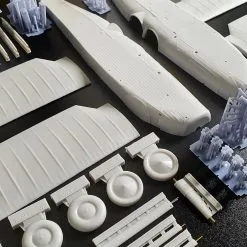
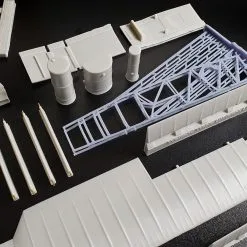
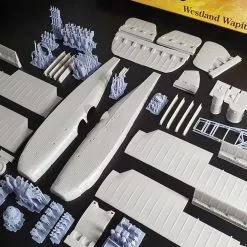

£95.99
- Shop with Peace of Mind
- Efficient and effective customer service, online.
- Top-Notch Quality
- 100% High-Quality Guarantee

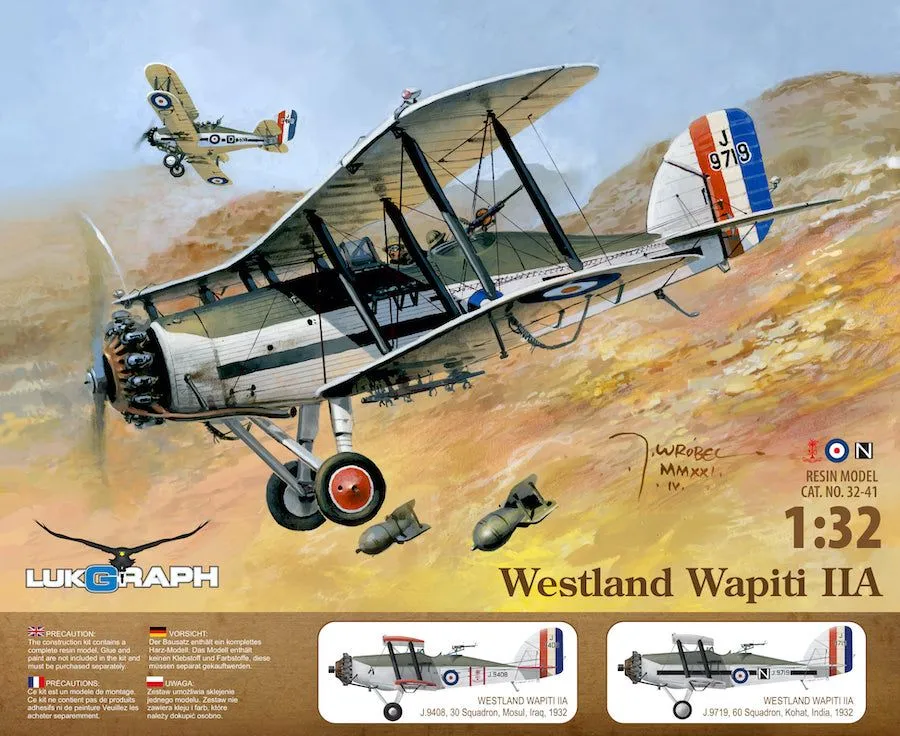
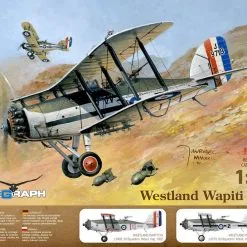
The Westland Wapiti IIA was a British biplane military aircraft that was primarily used by the Royal Air Force (RAF) in the 1920s and 1930s.
It was designed by Westland Aircraft as a development of the earlier Westland Wapiti I, with a number of modifications and improvements.
The Wapiti IIA was designed to be a general purpose aircraft, capable of performing a range of different tasks, including reconnaissance, bombing, and light transport duties.
It was equipped with a variety of armaments, including machine guns and bombs, and could carry up to four passengers or additional crew members if needed.
The aircraft was powered by a Bristol Jupiter engine, which gave it a top speed of around 165 km/h (102 mph).
It had a wingspan of 13.72 meters (45 feet) and a length of 9.75 meters (32 feet), and was able to operate from a variety of different terrain types, including rough or unimproved airstrips.
The Westland Wapiti IIA saw active service in a number of different conflicts and operations, including in India, Iraq, and other parts of the British Empire.
It was well-regarded for its reliability and versatility, and remained in service with the RAF until the mid-1930s, when it was gradually replaced by more modern and advanced aircraft.
Overall, the Westland Wapiti IIA played an important role in the early development of British military aviation, serving as a reliable and versatile platform for a range of different tasks and operations.
Its success paved the way for the development of even more advanced and capable aircraft in the years to come.

| SKU | LUK3241 |
|---|---|
| Manufacturer | Lukgraph |
| Scale | 1/32 |
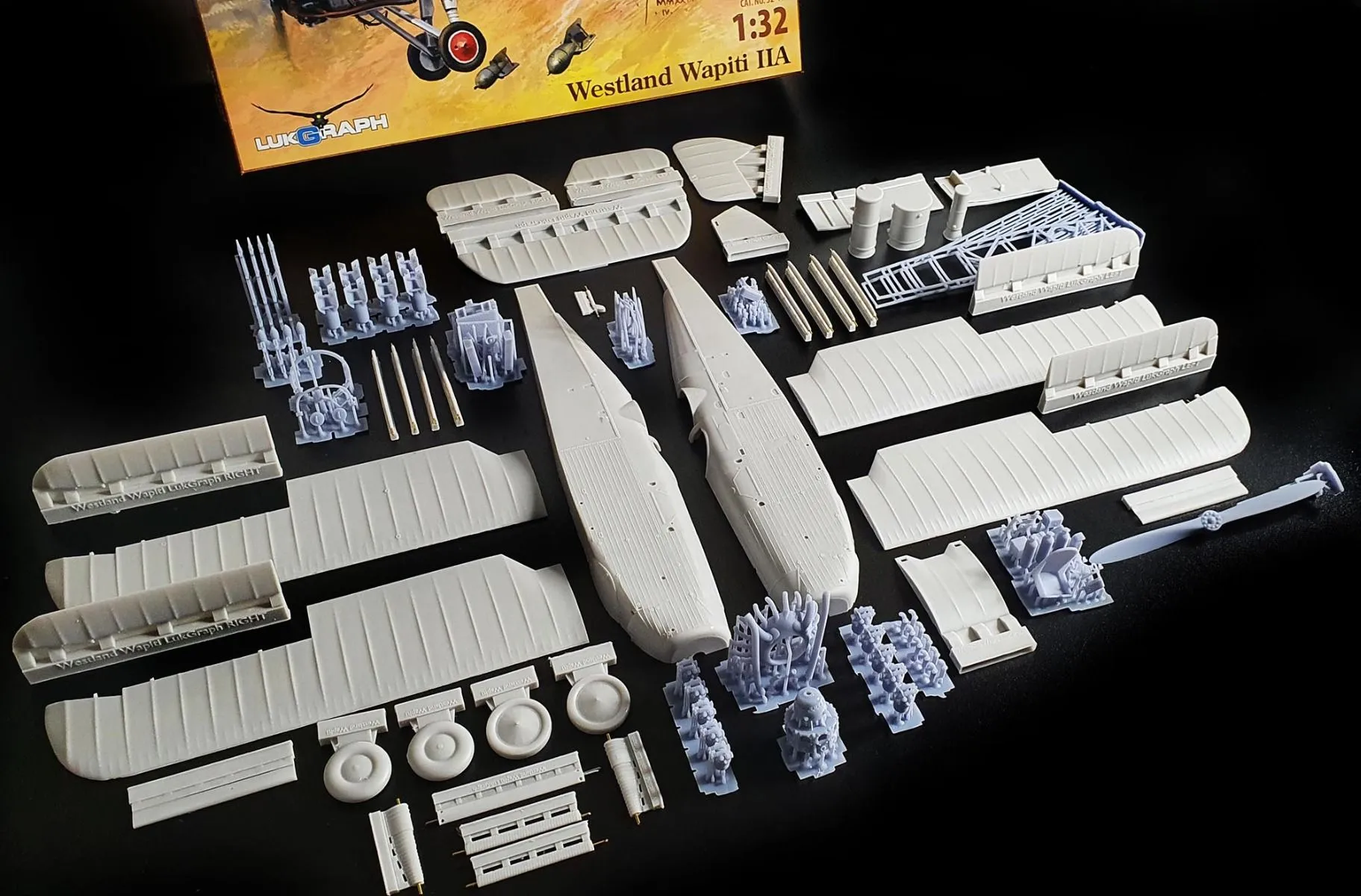
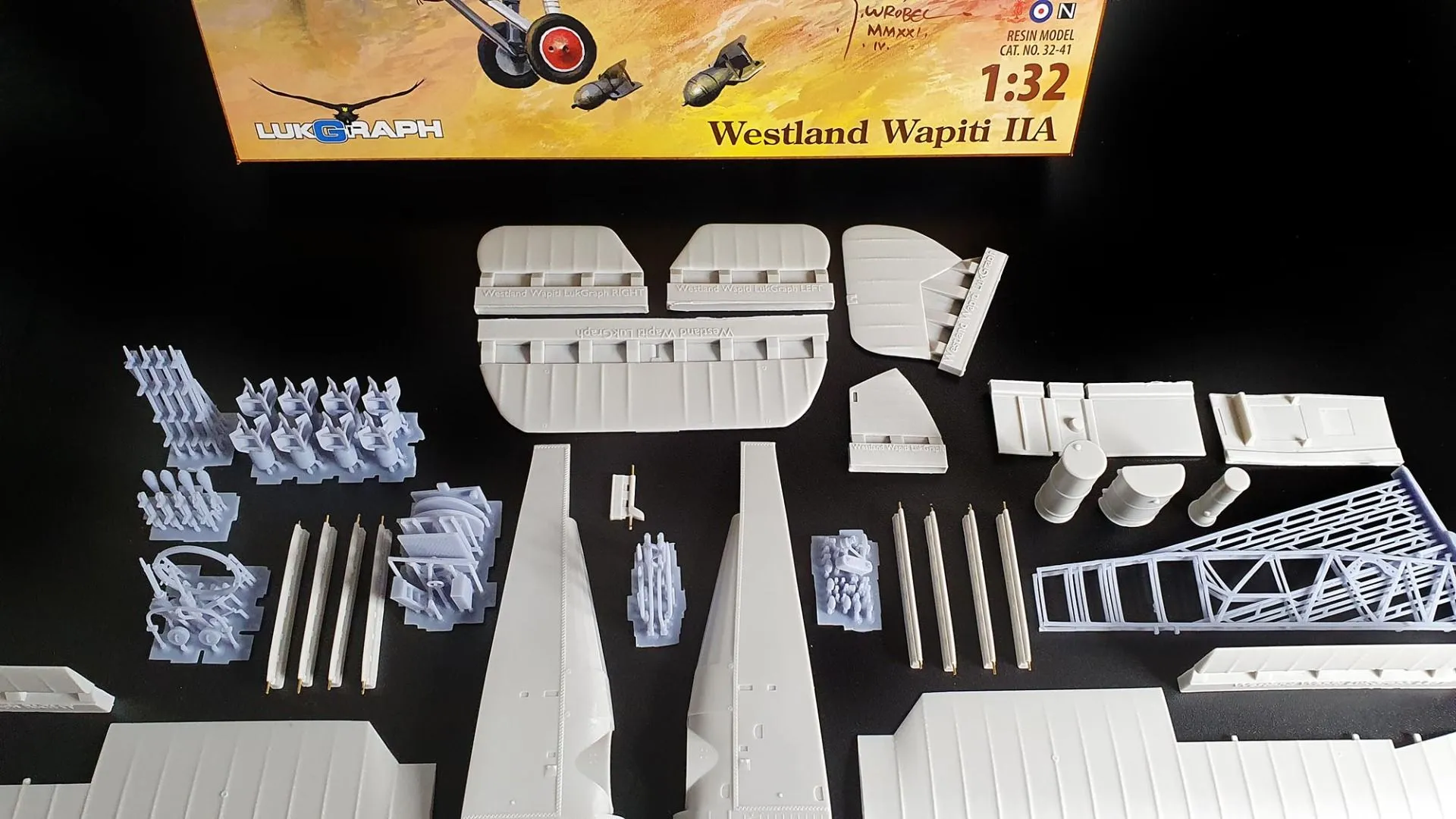
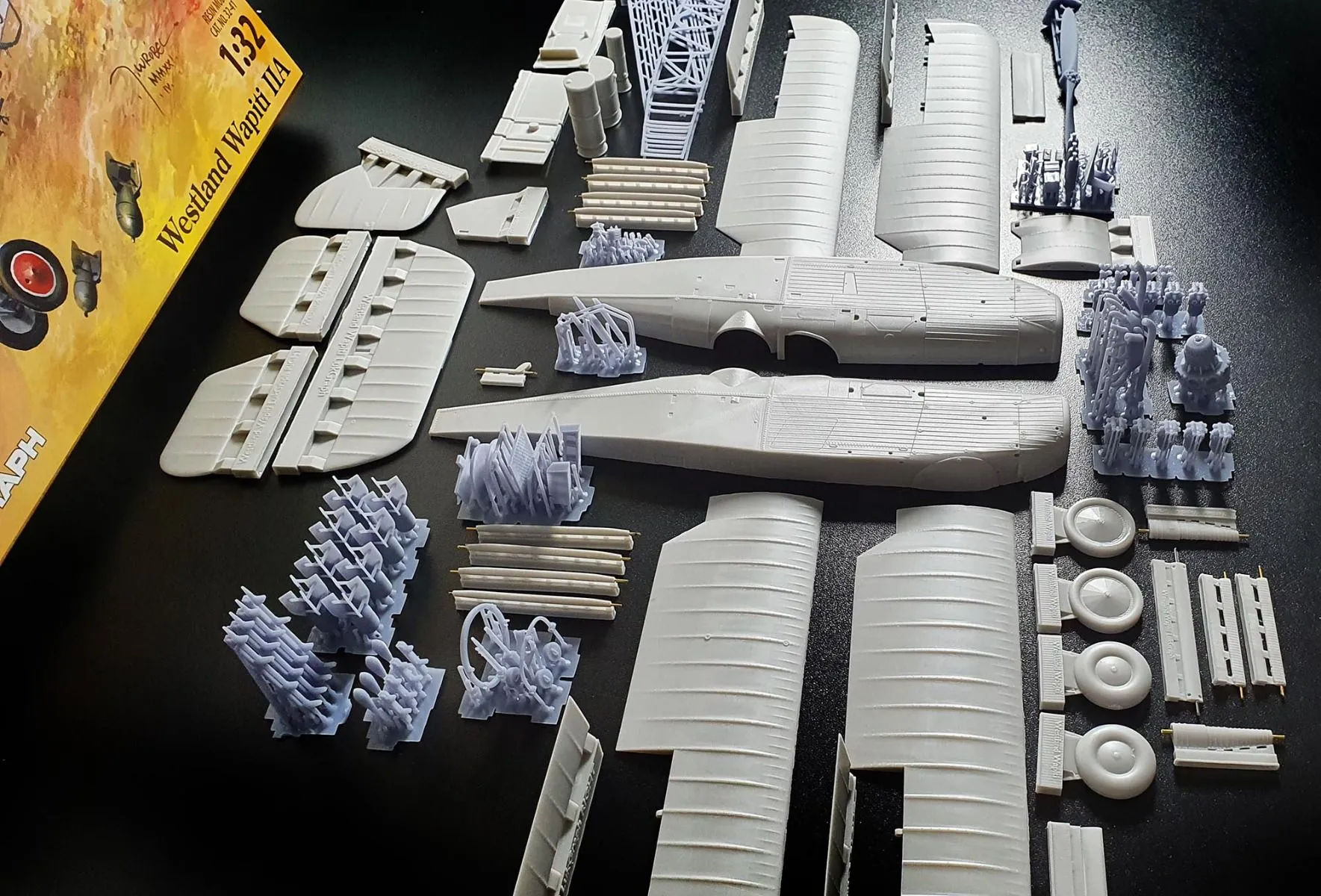
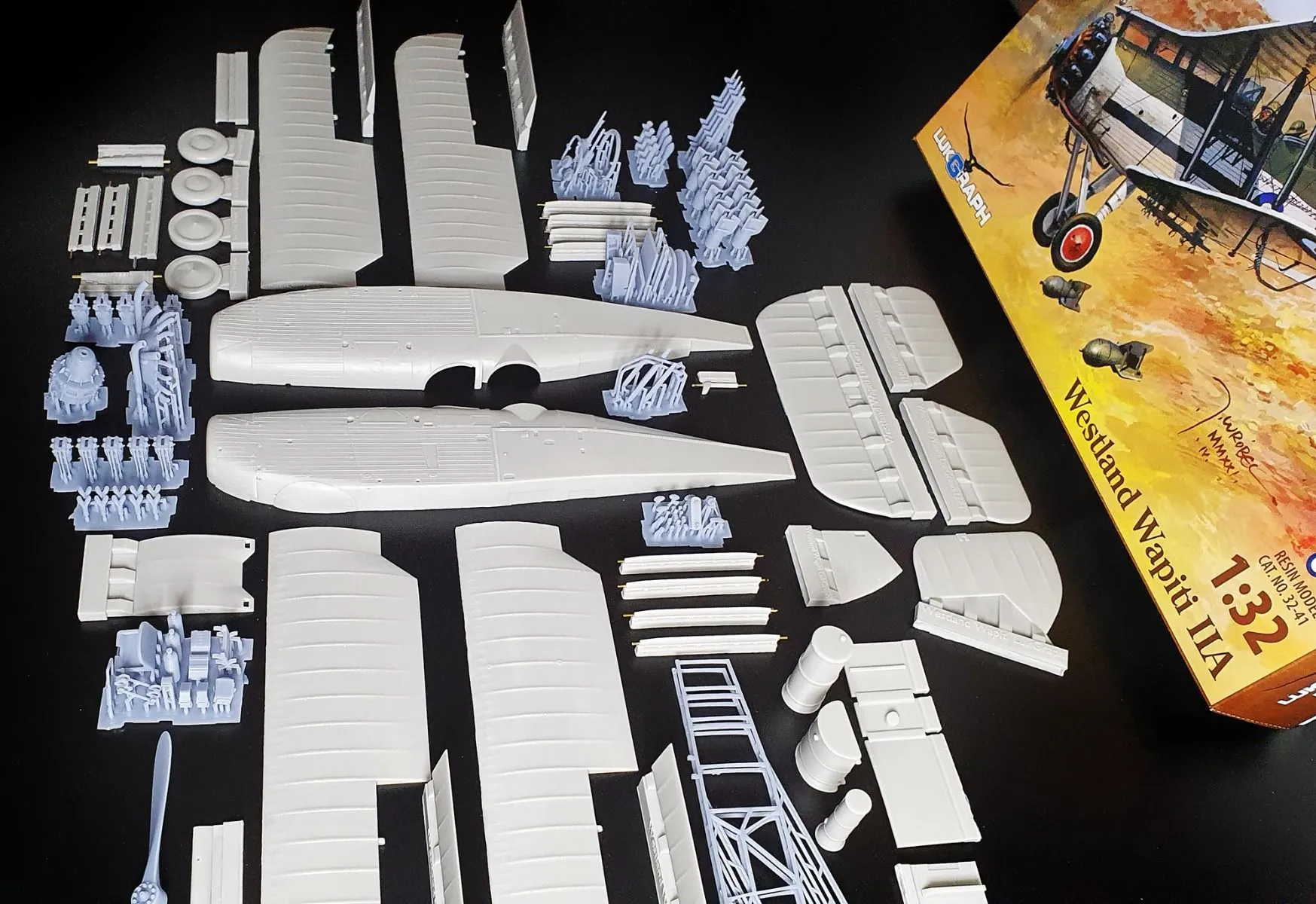
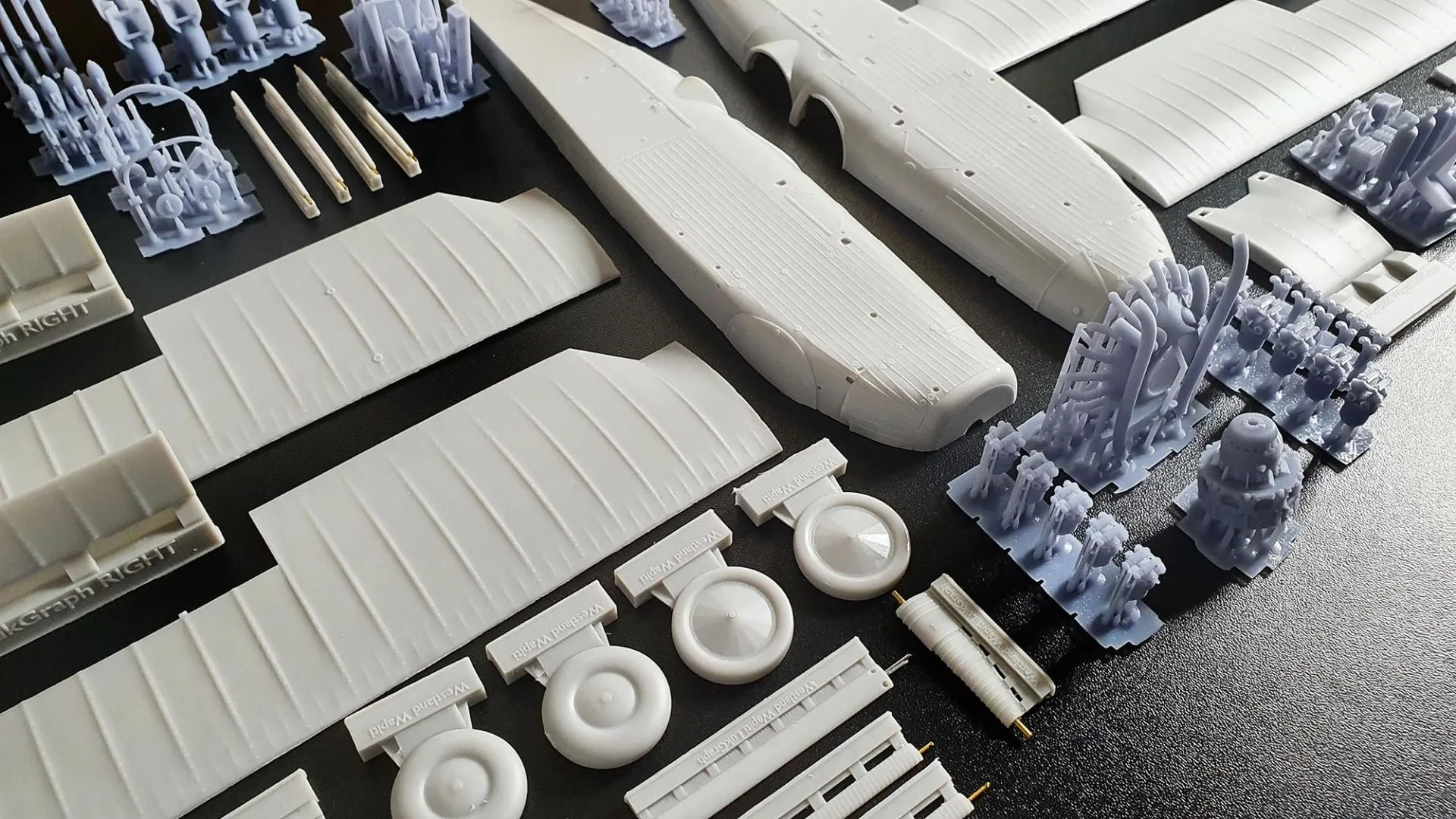
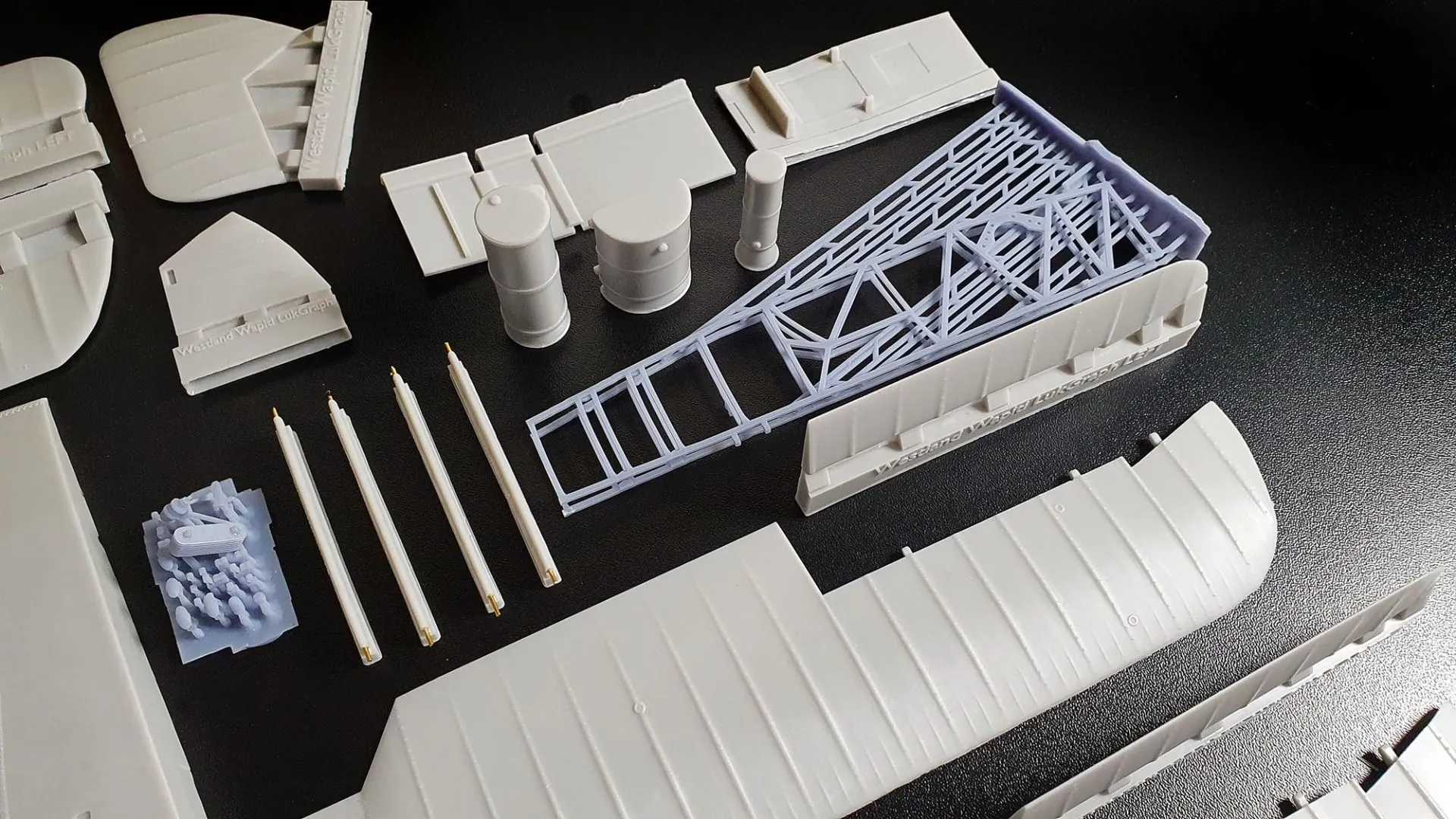
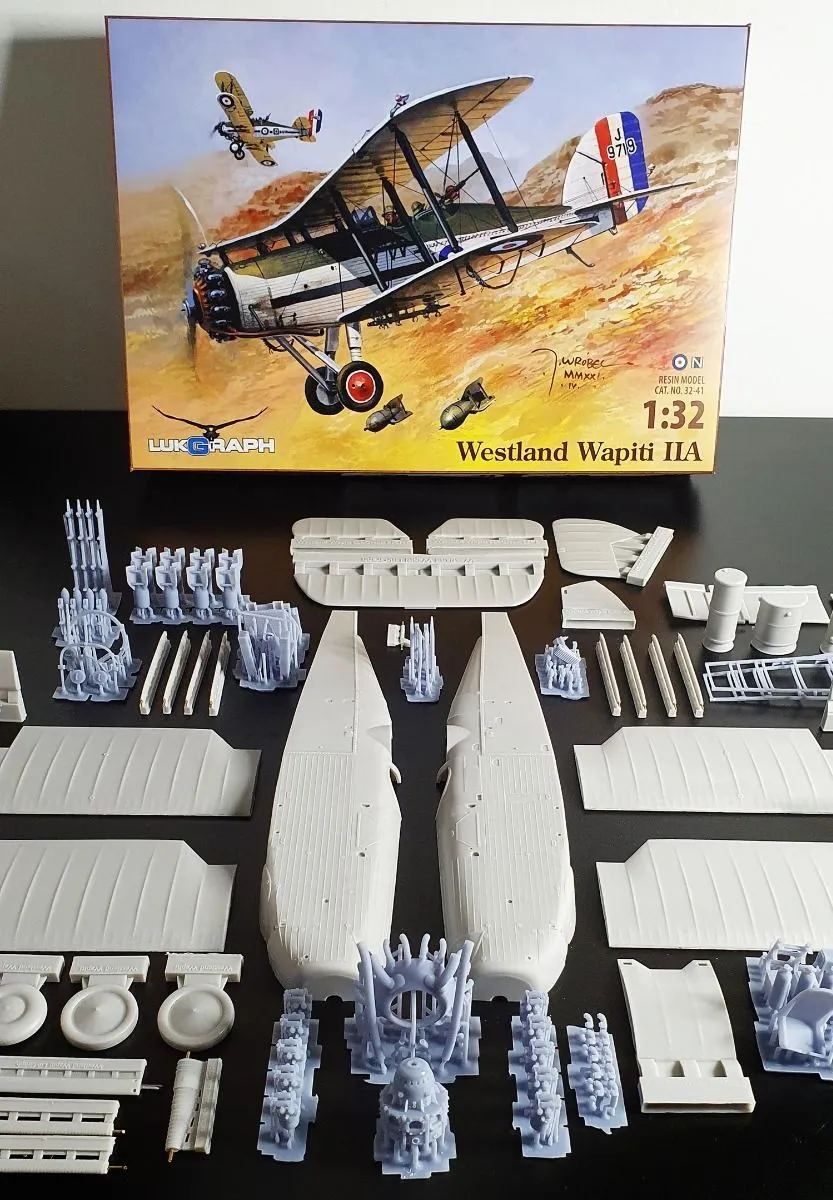
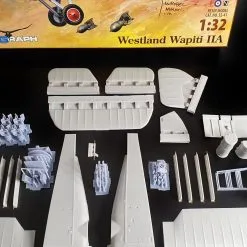
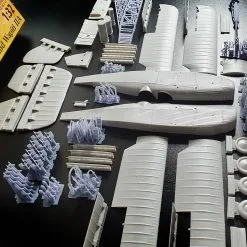
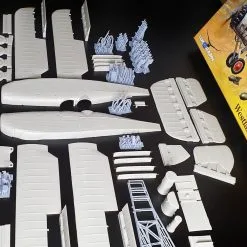
| Short Description | Lukgraph 1/32 Westland Wapiti IIA # 3241 |
Be the first to review “Lukgraph 1/32 Westland Wapiti IIA # 3241”
Related products


Aircraft Kits

Aircraft Kits

Aircraft Kits



Aircraft Kits


Aircraft Kits
Reviews
There are no reviews yet.